
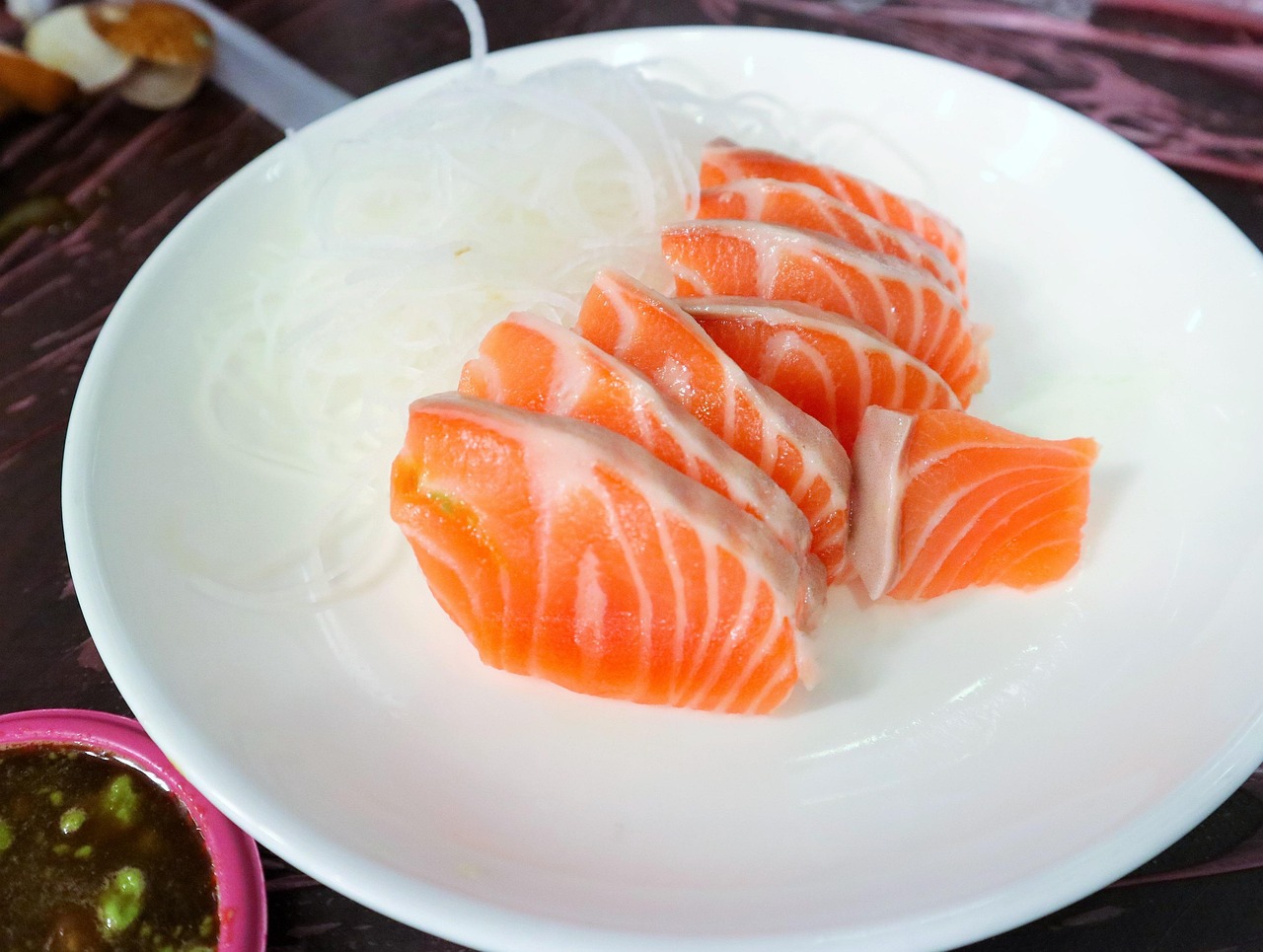
Salmon sashimi stands as one of the most celebrated dishes in Japanese cuisine, admired globally for its simplicity and depth of flavour. While many people associate raw fish exclusively with sushi restaurants, enjoying this delicacy at home has become increasingly popular. This shift is driven by a growing appreciation for the distinct texture of fresh seafood and the impressive health profile associated with oily fish. Understanding the fundamentals of sashimi allows you to appreciate this dish beyond its visual appeal and creates an opportunity to introduce a nutritious staple into your regular diet.
Understanding Salmon Sashimi
Sashimi consists of fresh, raw fish or meat sliced into thin pieces and often eaten with soy sauce. Unlike sushi, which includes vinegared rice, sashimi is served on its own to highlight the quality and flavour of the protein. The preparation focuses entirely on the ingredient itself, meaning the quality of the fish is paramount. Chefs prize salmon for its rich, buttery texture and vibrant orange colour, which varies depending on the species and the diet of the fish.
The terminology used in shops can be confusing, but identifying the right product is essential. You will often see labels stating “sashimi-grade” or “sushi-grade”. These terms generally indicate that the fish has been frozen at very low temperatures for a specific period to kill any parasites, making it safe for raw consumption. The cuts of salmon also matter significantly to the dining experience. The belly, known as otoro, offers a higher fat content and a melt-in-the-mouth texture, while the top loin provides a leaner, firmer bite that holds its shape well when sliced.
Health Benefits of Raw Salmon
Incorporating salmon sashimi into your diet offers substantial nutritional advantages. It serves as an excellent source of high-quality protein, which is necessary for muscle repair and growth. Because the fish is eaten raw, none of the healthy fats are lost or altered during the cooking process.
The most notable benefit comes from the high levels of Omega-3 fatty acids. These essential fats play a critical role in maintaining heart health by reducing inflammation and lowering blood pressure. They also support brain function and have been linked to improved mental well-being. Beyond fats and protein, raw salmon is rich in essential vitamins and minerals, including Vitamin B12, Vitamin D, and selenium. These nutrients support the immune system and help maintain healthy bone density.
Preparation Techniques for the Home Cook
Preparing sashimi at home requires attention to hygiene and knife skills, but it is not as difficult as it might seem. Safety is the priority. You must purchase fish from a reputable fishmonger who can verify that the salmon is safe to eat raw. Once you have your fillet, keep it refrigerated until the very last moment before preparation to maintain freshness.
You will need a sharp knife to achieve clean cuts without tearing the delicate flesh. A long, slender blade allows you to slice through the fish in a single, smooth motion. Place the fillet on a clean cutting board and slice against the grain. Cutting against the grain shortens the muscle fibres, making the piece easier to chew and more tender. The thickness of the slice depends on personal preference, though a standard slice is usually about half a centimetre thick. Consistency in slicing ensures that each piece offers the same texture and mouthfeel.
Exploring the Experience
Salmon sashimi offers a dining experience that balances luxury with nutrition. It requires minimal ingredients but delivers maximum flavour through the quality of the produce. By selecting the right fish and mastering a few simple cutting techniques, you can recreate a restaurant-quality meal in your own kitchen. Whether you are looking to boost your Omega-3 intake or simply want to explore Japanese culinary traditions, salmon sashimi is a delicious and accessible place to start.