
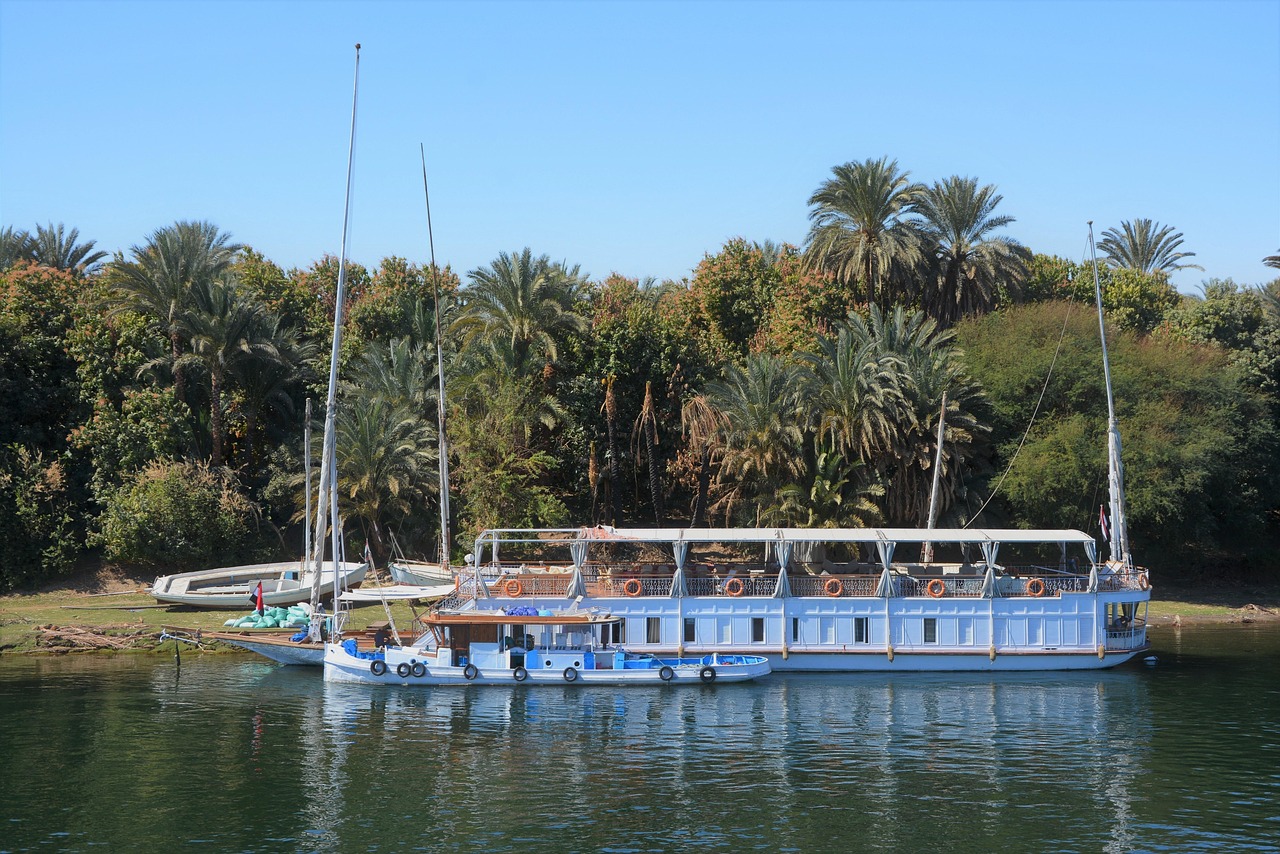
The River Nile has served as the lifeline of Egypt for millennia. It is a waterway where history feels tangible rather than distant. Sailing these waters offers a perspective that land-based travel simply cannot match. You glide past temples that have stood for thousands of years, observing riverbanks that look much as they did in the time of the Pharaohs. A cruise here is an efficient method to see the country’s most significant sites while enjoying a relaxing pace.
Why Choose a 7-Night Cruise?
Many travellers debate between short three-day jaunts and longer expeditions. A seven-night journey provides a distinct advantage regarding depth and relaxation. It allows you to travel at a leisurely rhythm rather than rushing from one monument to the next. You get to see the full stretch between Luxor and Aswan without feeling exhausted. This duration grants you time to absorb the atmosphere of the sites, engage with local guides, and truly appreciate the magnitude of the ancient architecture. It strikes the perfect balance between sightseeing and relaxation, giving you the mental space to process the incredible history you are witnessing daily.
Itinerary Highlights
Your journey usually begins or ends in Luxor, often called the world’s greatest open-air museum. Here, you will visit the Valley of the Kings, where Tutankhamun’s tomb remains. The sheer scale of the Karnak Temple Complex in Luxor is difficult to comprehend until you stand beneath its towering columns. This vast site was developed over 1,500 years and offers endless corners to explore.
The itinerary continues south to Edfu, home to the Temple of Horus. This structure is one of the best-preserved shrines in Egypt and offers incredible insight into Ptolemaic temple architecture because the roof remains intact. Further along the river, you will stop at Kom Ombo. This double temple is dedicated to two gods: the crocodile god Sobek and the falcon god Haroeris. It stands dramatically on a bend in the river and contains fascinating reliefs of ancient surgical instruments.
Further south lies Aswan. This area offers a different pace with its Nubian culture and the beautiful Philae Temple, which was dismantled and moved to a nearby island to save it from rising waters. Seeing these locations from the water adds a layer of context that connects the geography to the history.
Onboard Experience
Life on the boat is as memorable as the excursions. Modern 7 night nile cruise function as floating hotels with comfortable cabins and swimming pools on the sun deck. You can watch the scenery change while cooling off from the midday heat, observing farmers working the fertile strips of green land backed by vast desert dunes. Dining typically involves a mix of international cuisine and Egyptian specialities, giving you a safe way to try local flavours like koshary or falafel. Evenings often feature entertainment such as Nubian music or traditional galabeya parties. It is a comfortable way to recharge after walking through dusty ruins all day.
What to Pack
Egypt can be intensely hot, especially around the historical sites. You should bring lightweight, breathable fabrics like linen or cotton. Comfortable walking shoes are non-negotiable because the terrain at temples is often uneven and sandy. A high SPF sunscreen and a wide-brimmed hat are essential for protection against the strong sun. Evenings on the river can get surprisingly cool, especially in winter months, so packing a light jacket or jumper is a smart move. Modest clothing is respectful when visiting religious sites or walking through towns, so keeping shoulders and knees covered is good practice.
An Unforgettable Journey
A week spent on the Nile is an investment in understanding human history. It connects you to the ancient world in a direct and profound way. You leave with more than just photos; you gain an appreciation for a civilisation that shaped much of human development. Whether you love history or simply want a scenic escape, this journey delivers on every front.