
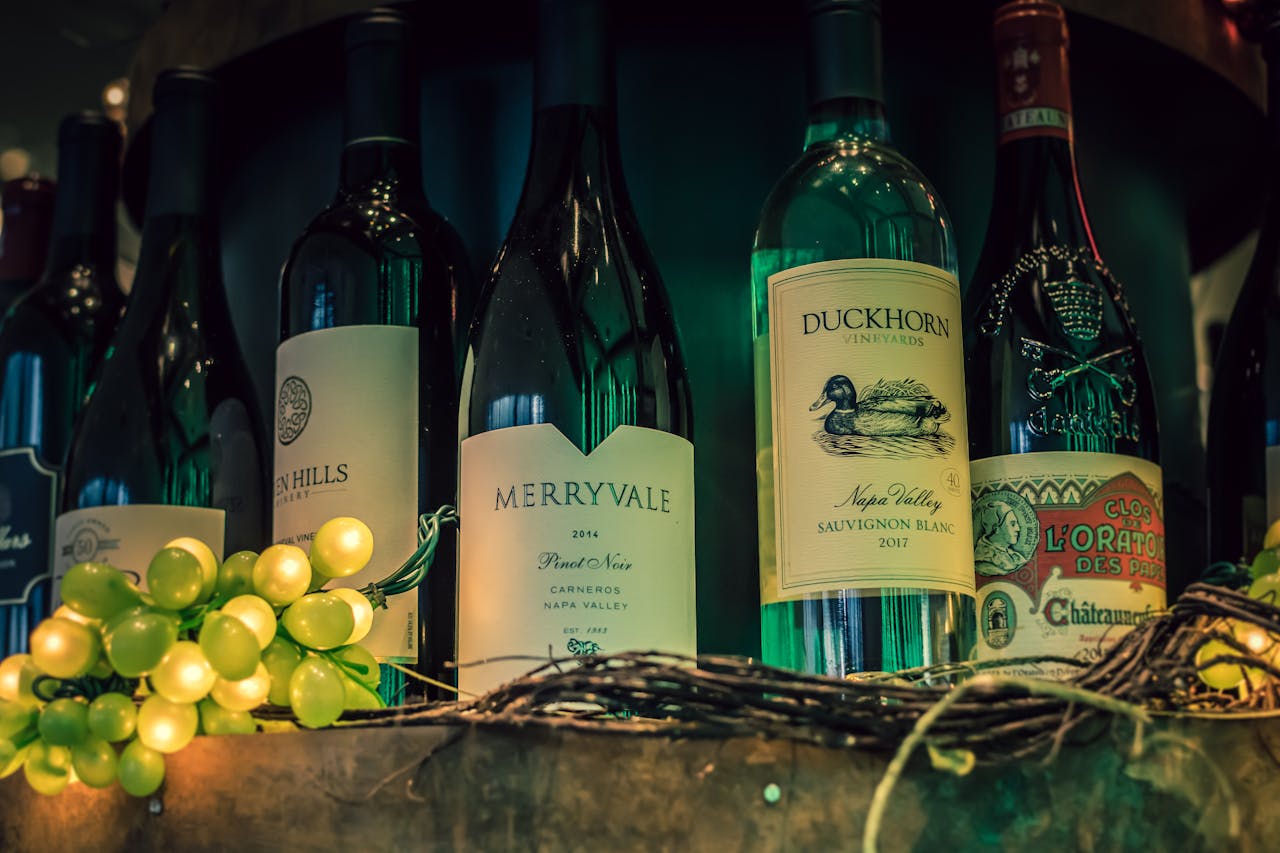
Your product sits on a shelf surrounded by competitors. What makes a customer pick it up? Often, the label makes the difference. It serves as the primary interaction a buyer has with your brand, communicating quality, ingredients, and your story in a single glance. A poorly printed label can undermine even the best product, while a professional one elevates it. This guide examines the essentials of bottle label printing, from selecting the right materials to understanding different printing methods, helping you make informed decisions for your packaging strategy.
The Impact of High-Quality Labels
First impressions endure. A label that peels, fades, or looks pixelated suggests the product inside is of low quality. Conversely, high-quality printing signals that you care about the details. It builds trust before the customer even tries the product. When a consumer holds a bottle, tactile elements like paper texture or raised varnish provide sensory feedback that reinforces the perception of value.
Beyond mere aesthetics, the label acts as a silent salesperson. It must grab attention in a crowded marketplace where consumers make split-second decisions. A well-printed label with vibrant colours and sharp text draws the eye and encourages purchase. Investing in professional printing is an investment in your brand’s reputation. It tells the consumer that the product is worth their time and money.
Essential Components of Effective Design
Material choice is critical to the success of your label. You might choose textured paper for a wine bottle to suggest tradition and elegance. Alternatively, a durable synthetic film might be better for a craft beer or white wine that will sit in an ice bucket, as it resists moisture and tearing. The substrate you choose sets the tone for the product.
Design hierarchy is equally important. The most critical information—usually the brand name and product type—must be immediately visible. If a customer has to search for what the product is, you risk losing the sale. Secondary details like ingredients, origin stories, and regulatory information should be legible but placed so they do not distract from the main visual hook. A cluttered label confuses the eye, whereas a clean layout guides the viewer through the information logically.
Choosing the Right Printing Technique
Understanding the difference between digital and offset printing helps you manage costs and quality effectively. Digital printing offers significant flexibility. It is ideal for shorter runs or when you have multiple product variations with different designs. Since there are no plate costs, setup is minimal, making it cost-effective for smaller batches or seasonal releases. Digital technology has advanced to a point where the quality rivals traditional methods, offering crisp text and rich colours.
Offset printing remains the standard for high-volume production. This method involves transferring ink from a plate to a rubber blanket and then to the printing surface. It is superior when you need to produce thousands of labels, as the unit cost decreases as the quantity increases. Offset printing also allows for a wider range of specific ink matches, such as Pantone colours, and works with a broader variety of paper stocks and finishes. If your brand requires exact colour matching across a large production run, this method provides the consistency you need.
Elevating Your Product Presentation
Bottle label printing is a blend of art and technical precision. By focusing on quality materials, smart design, and the right printing technique, you create a product that stands out on the shelf. The label is the final bridge between your product and the consumer. It is worth the time and effort to get it right.
If you are ready to improve your packaging, consider professional printing services that understand these nuances. The right partner will guide you through material selection and printing options to find the perfect fit for your brand.