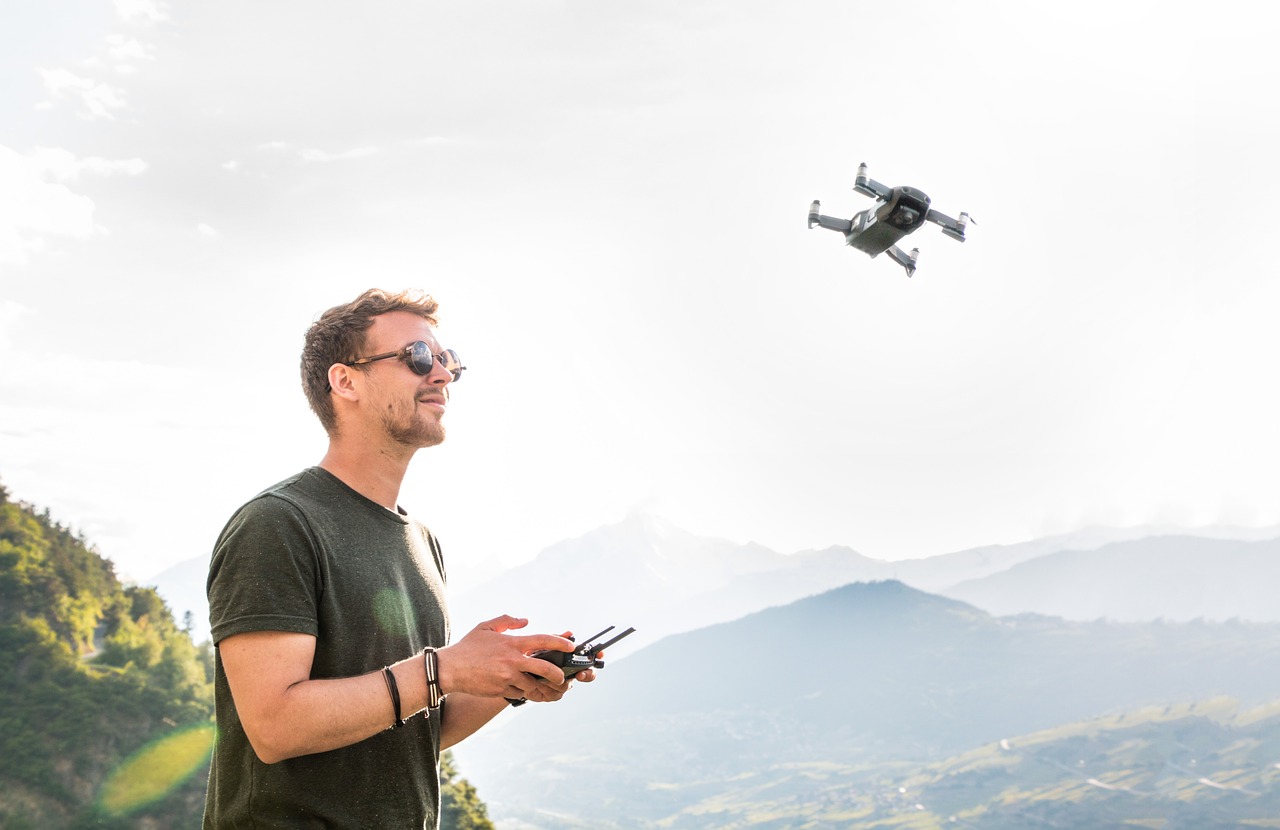
Aerial imaging has rapidly shifted from a novelty to a fundamental requirement for many industries. Real estate agents, construction managers, and event planners now expect high-quality aerial shots as standard. For drone photographer, this shift presents a clear opportunity to expand services or specialize entirely in aerial work. However, moving from recreational flying to professional operation requires more than just buying a high-end drone. It involves mastering technical skills, understanding strict regulations, and running a compliant business.
Understanding Drone Technology
To deliver professional results, you must understand the capabilities and limitations of your hardware. The most critical component is the sensor size. Larger sensors, such as a one-inch or Micro Four Thirds sensor, capture more light and provide better dynamic range. This is essential when shooting in high-contrast environments where the sky is bright and the ground is dark. A larger sensor allows you to recover details from shadows in post-production without introducing excessive noise.
Flight time is another practical consideration that impacts your workflow. While manufacturers often advertise flight times of 30 minutes or more, real-world conditions tell a different story. Wind resistance, recording resolution, and flight speed all drain the battery faster. In a professional setting, you realistically have about 20 to 25 minutes of usable shooting time per battery before you need to land. Knowing these operational limits prevents you from running out of power mid-shoot or risking the equipment over water or difficult terrain.
Essential Equipment and Accessories
A professional drone kit extends far beyond the aircraft itself. Relying on a single battery is impossible for commercial work. You need enough power to shoot for several hours, which usually means carrying at least four to six batteries. This allows you to cycle through them, charging depleted ones while you continue to fly. High-capacity memory cards are also vital. Recording in 4K or 5.2K fills storage quickly, so carrying multiple high-speed microSD cards prevents data bottlenecks.
Neutral Density (ND) filters are another non-negotiable accessory for video work. These filters restrict the amount of light entering the lens, allowing you to maintain a cinematic shutter speed even in bright daylight. Without them, you would have to use a very fast shutter speed, resulting in jittery, unnatural motion in your footage. Additionally, a landing pad helps protect the gimbal and camera from dust, sand, or wet grass during takeoff and landing, extending the lifespan of your gear.
Mastering Camera Settings
Shooting in automatic mode rarely yields professional-grade images. You must take full control of the exposure settings to produce consistent quality. Keep your ISO as low as possible, typically at ISO 100, to ensure the cleanest image with minimal grain. If your drone features a variable aperture, stopping down to f/4 or f/5.6 often yields the sharpest results across the frame.
White balance is another setting that requires manual attention. Automatic white balance can shift mid-shot if the lighting changes or if the drone turns away from the sun, making color grading difficult later. Lock your white balance to a specific Kelvin value to maintain consistent colors throughout the scene. Furthermore, always shoot in RAW (DNG) format rather than JPEG. RAW files retain significantly more data, giving you the flexibility to correct exposure and color balance during the editing process.
The Future of Aerial Imaging
Drone photography has established itself as a permanent fixture in the visual arts and industrial sectors. It combines the technical discipline of photography with the skill of aviation. By investing in the right equipment, adhering to safety regulations, and building a targeted portfolio, you can build a sustainable career in this field. The technology will continue to improve, but the need for skilled, compliant operators remains constant.