
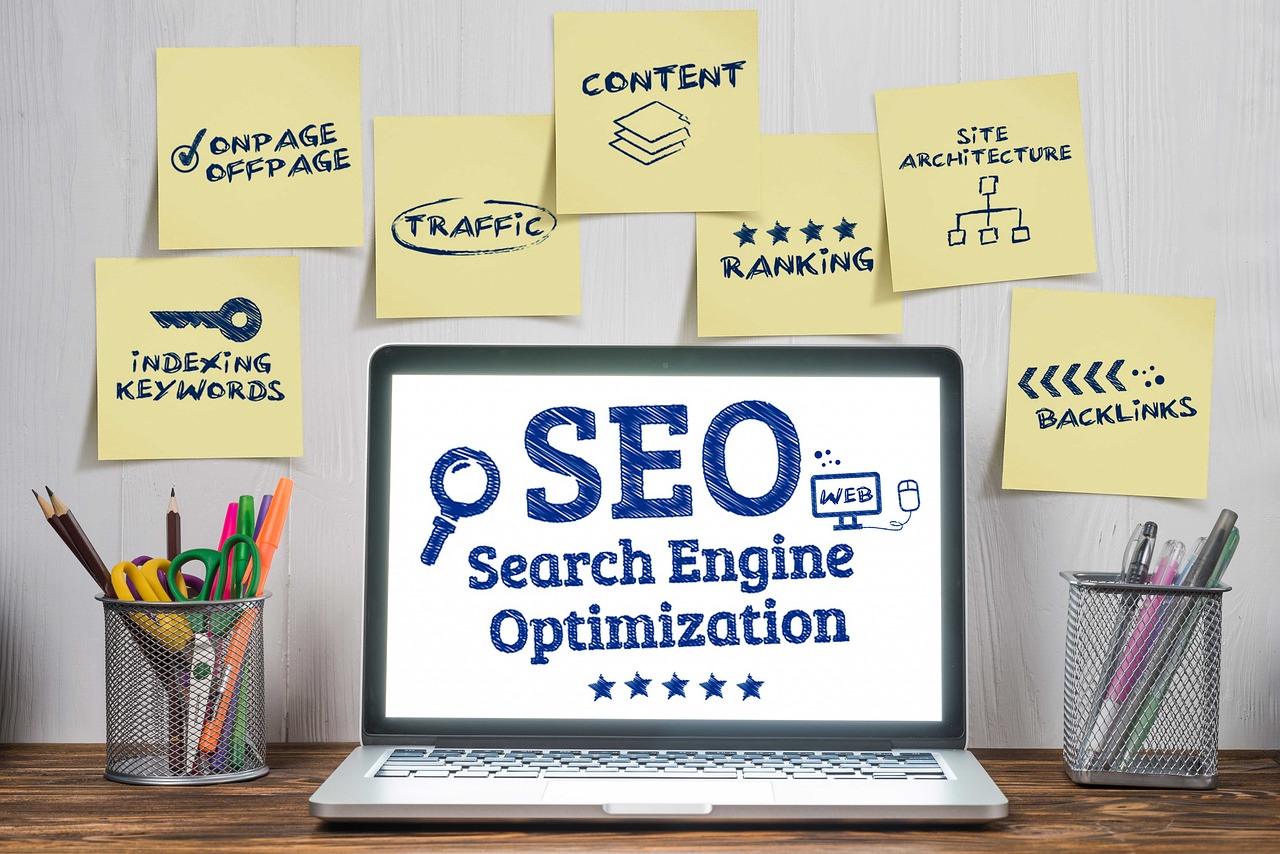
Search Engine Optimisation often feels like a black box to business owners. You publish content, hope for the best, and wonder why traffic isn’t flooding in. But effective internet marketing SEO is simply the practice of making your digital presence understandable to search engines like Google. When you align your website with what users are searching for, you increase the likelihood of appearing in front of the right audience at the right time. This guide breaks down the core components you need to focus on to improve your rankings and drive meaningful organic traffic.
Understanding the Basics of SEO
Search Engine Optimisation is the process of improving your website to increase its visibility for relevant searches. It functions as the bridge between your business and the people looking for what you offer. Search engines use complex algorithms to crawl the internet, indexing content and ranking it based on relevance and authority. The goal is to provide the best possible answer to a user’s query. While paid advertising can get you to the top of the page instantly, organic search builds sustainable, long-term traffic that does not disappear the moment you stop paying for ads. It requires patience and a strategic approach, but the return on investment is often higher because you are capturing users who are actively looking for solutions.
Keyword Research Fundamentals
Identifying the right search terms forms the foundation of any successful strategy. It is not sufficient to simply guess what your customers might type into a search bar. You must use data to find terms with adequate search volume that also indicate a high intent to purchase or engage. Tools like Google Keyword Planner or SEMrush can help you discover these phrases.
You must also consider the intent behind the query. A user searching for “what is SEO” is looking for information, while a user searching for “SEO agency London” is likely ready to hire a service. Long-tail keywords, which are more specific phrases, often convert better than broad terms because they catch the user later in their decision-making process. Understanding this distinction allows you to create content that directly answers the user’s specific problem.
On-Page Optimisation Techniques
Once you know your keywords, you must place them strategically within your website’s architecture. On-page optimisation involves refining the elements on your website so search crawlers can read them easily. This includes writing clear title tags, headers, and meta descriptions that accurately reflect the content on the page. However, technical elements are secondary to the quality of the content itself. Search engines prioritise pages that provide comprehensive, helpful information that satisfies the user’s needs.
Beyond the text, technical performance matters significantly. A slow-loading site will frustrate users and signal to search engines that your page offers a poor experience. You should check that your images are compressed and your code is clean. Furthermore, internal linking is a powerful way to distribute authority throughout your site. By linking relevant articles together, you help search engines understand the relationship between different pages and keep users engaged for longer periods.
Building a Sustainable Strategy
Building a strong organic presence takes time and consistent effort. There are no shortcuts to the top of the search results, but adhering to the fundamentals will yield sustainable growth. By understanding what your audience needs and delivering it through a technically sound, authoritative website, you set your business up for long-term visibility. Start with clear keyword research, optimise your pages for the user, and build your reputation one link at a time.